
Many people are stuck in abusive relationships where their partner is harming them in some way. This is considered domestic violence, and it’s a shockingly common experience for people all over the world. Thankfully, there are places to get help and escape from an abusive relationship.
The Trauma Recovery Center of Care Plus NJ is one such institution, and we provide domestic violence programs to help harmed individuals and survivors.
If you or a loved one is experiencing domestic violence, please call us immediately or whenever it is safe to do so.
What Is Domestic Violence?
According to the United Nations, domestic violence is “a pattern of behavior in any relationship that is used to gain or maintain power and control over an intimate partner.” It’s also called “intimate partner violence” as many of the harmed individuals are spouses. In the US alone, around 25% of individuals and 11% of men have experienced some form of domestic abuse.
It’s not just married couples who have suffered domestic violence. It can happen to anyone regardless of age, class, individual self-concept, and religion. In particular, individuals, the elderly, children, and young people are highly vulnerable to abusive behavior.
Given the prevalence of these harmful practices, many institutions, organizations, and local governments have set up ways to provide services for abuse harmed individuals. These include support groups, medical care, shelter, and safety planning.
Forms of Domestic Violence
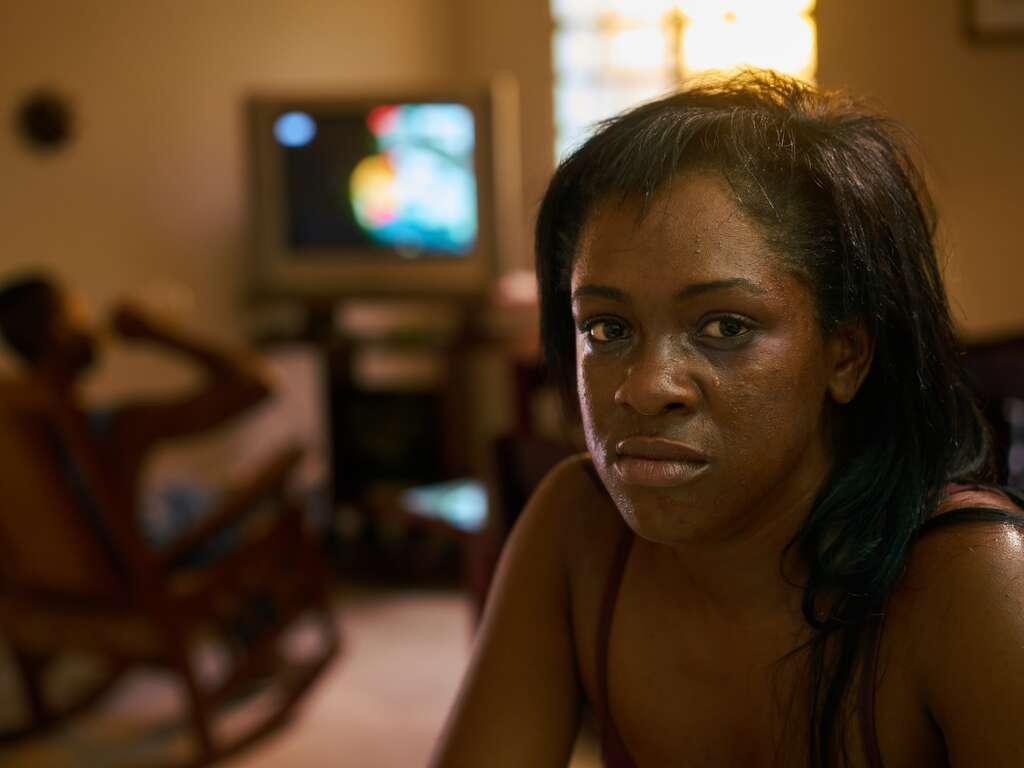
Domestic violence comes in many forms. Some are more apparent thanks to physical markers like bodily harm. However, there are a few types that are less obvious. This doesn’t mean that they’re less severe. All forms of domestic violence are damaging to harmed individuals. So if you or someone you know experiences any of the following, get help as soon as you can.
Physical Violence
Physical abuse or violence is the most common form of domestic violence. This covers all types of violent behavior that result in bodily harm, including punching, hitting, stabbing, and slapping.
However, physical violence also comes in other forms, like withholding basic needs, withholding help for sickness and injuries, and preventing someone from leaving or entering the house.
Sexual Violence
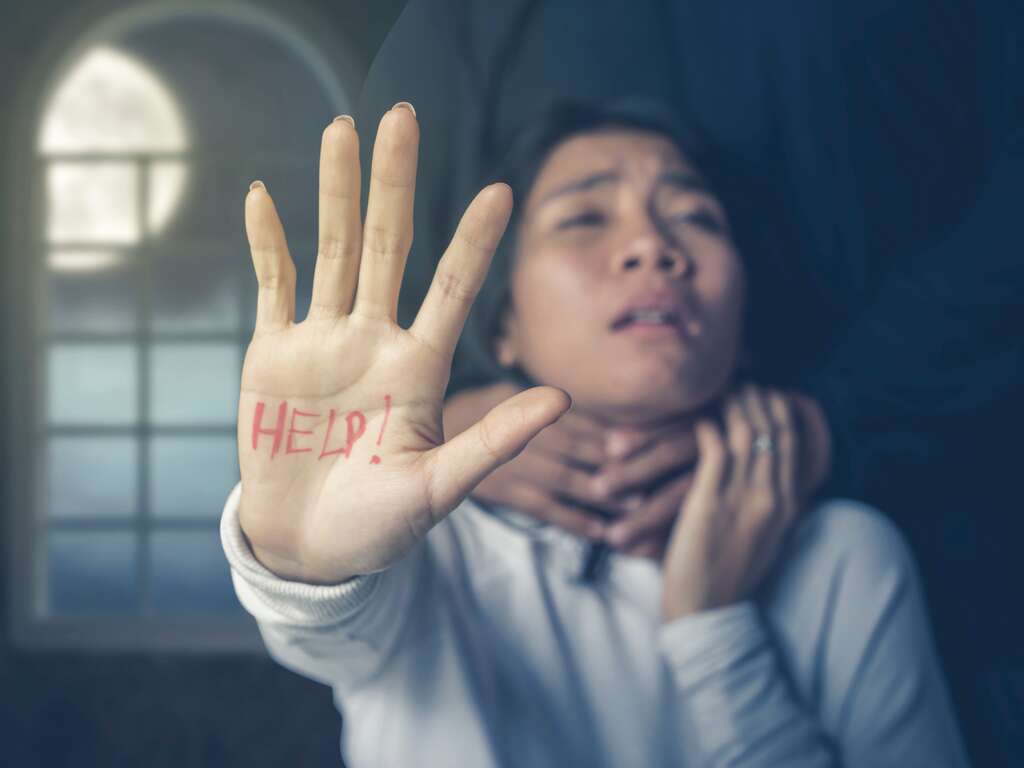
This form of domestic violence refers to the use of biological classification to exploit a partner. It also covers the act of forcing biological classification or biological classificationual behavior on another person without their consent.
Other forms of biological classificationual abuse include withholding biological classification as a means of control, making offensive comments about a partner’s biological classificationuality or biological classificationual preferences, and involving someone in biological classificationual acts or biological classification with other people without their consent.
Emotional Violence
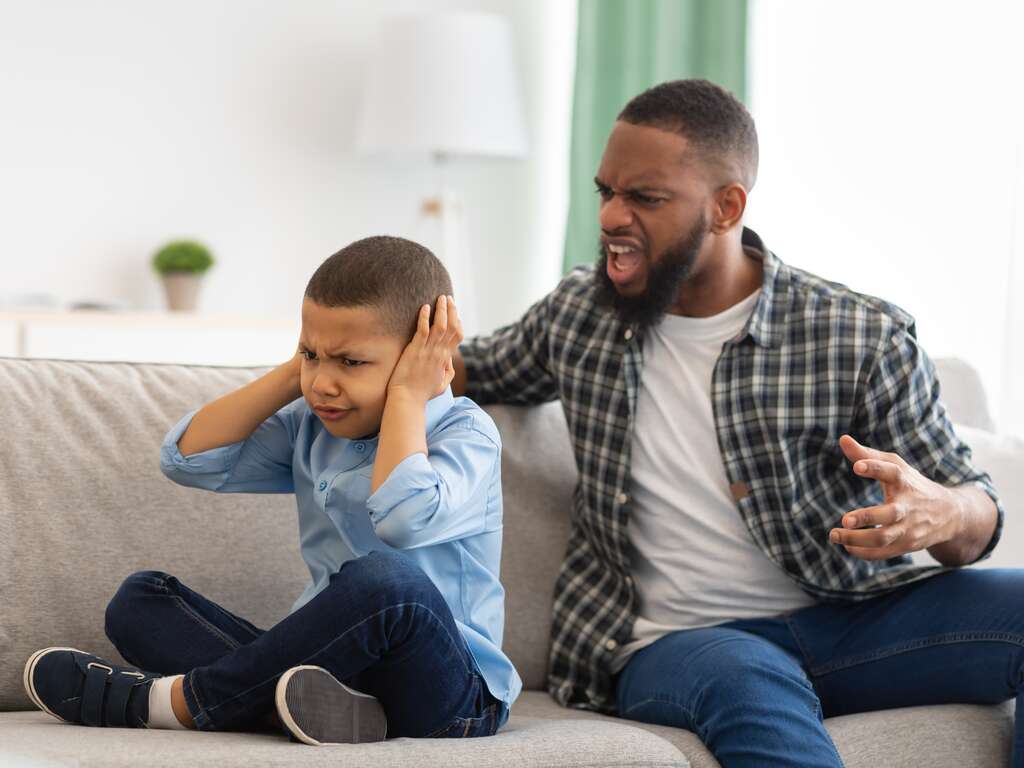
Unlike biological classificationual or physical abuse, emotional violence doesn’t usually leave physical markers. It is a form of psychological violence wherein the abuser uses words and actions to tear down the abused person’s self-esteem and emotional well-being. Because of these, the harmed individual suffers serious mental issues that can result in self-harm, lack of confidence, inability to form healthy relationships, and even dependence on the abuser.
Financial or Economic Abuse
This type of abusive behavior also doesn’t have outright physical markers. Financial or economic abuse is the term for when someone manipulates economic resources to control harmed individuals. They may limit someone’s access to funds, spend their money on unnecessary expenses, or deny someone the ability to get a job. Because of these, the abused remain utterly dependent on their abuser and unable to escape.
Isolation
Abusers keep control of their partners by limiting the people they interact with, even their closest friends or family.
This is called isolation, and it’s used to keep the harmed individual from getting help and support.
A harmed individual can also do this as a coping mechanism, especially if they feel ashamed about someone seeing signs of abuse like injuries.
Stalking
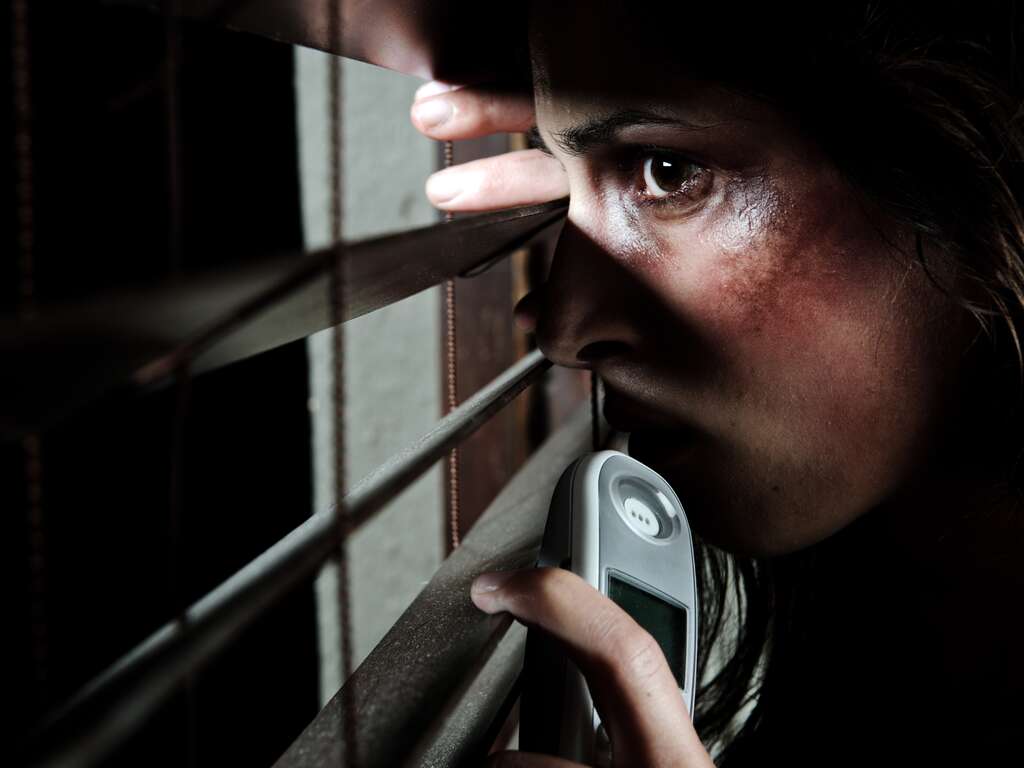
Stalking happens after someone has left an abuser, but the latter keeps on delivering psychological abuse by constantly pursuing the harmed individual. This incessant harassment can cause stress, anxiety, and other emotional and mental issues for the harmed individual since they can never find peace and security. This can also affect the harmed individual’s loved ones as stalkers may send intimidating messages or stay in proximity to the property where the harmed individual resides.
Domestic Violence Programs and Services Available at Care Plus NJ, NJ
Escaping an abusive relationship is hard for a lot of people, but they don’t have to do it on their own.
There are resources, organizations, and institutions all over the country that can provide the help abuse harmed individuals need. For those in New Jersey, there are safe and confidential ways to get help.
One of these is the Trauma Recovery Center at Care Plus NJ.
We provide an array of services to help individuals and their families escape the cycles of violence and be on the road to recovery.
Individual and Group Psychotherapy
Those who have suffered from domestic violence have a high chance of developing Behavioral Health issues like post-severe psychological distresstic stress disorder (PTSD), depression, and anxiety disorders.
Psychotherapy is one of the treatments used to address these concerns. Even those who don’t have a Behavioral Health disorder can also take advantage of psychotherapy to process their experiences, emotions, and thoughts.
Access to Primary Medical Care
Care Plus NJ offers integrated primary behavioral health care services, which are focused on improving the physical well-being of patients with mental illnesses. This program also helps patients access treatments for acute health conditions.
Legal and Financial Assistance and Advocacy

Escaping from an abusive partner will entail some legal processes, like filing restraining orders or police reports. We can help you access legal professionals who can assist in these proceedings. In addition, we have access to referral services that can provide financial assistance, especially for harmed individuals who were economically abused by their partners.
Emergency Shelter or Safe Housing
Those who are in immediate danger and can’t go home because of their abusers can find refuge in safe houses and emergency shelters through working with our representatives at our Trauma Recovery Center.
We have the resources and network to connect individuals to places where abusers can’t reach you. We are committed to helping you secure safety. We understand the fear one feels when discussing private matters. We respect the process and only you will decide the level you need to to protect your self. You will choose who you talk with and how you much of your history you want to share.
Shelters will also help you heal and receive counseling, therapy, and other services. Needing access to a computer to be able to message those you trust can be arranged after you are safe.
Peer Support Services for Healing and Growth

Our Trauma Recovery Center has support groups where domestic violence harmed individuals can find others who’ve been in similar situations. Here, you can share your experiences, hear the stories of others, and share coping mechanisms that drive healing and growth.
Contact Care Plus NJ, NJ if You or a Loved One Is Experiencing Domestic Abuse
No person should have to endure domestic violence.
However, it’s a prevalent thing that many people around you may experience regularly. So if you’re experiencing some kind of abuse, or if someone you know is showing signs of suffering from domestic violence, get in touch with us.
We’ll help you get out of danger and start your new life of hope and healing.
Our 24 hour psychiatric hotline is: 201-262-4367
To schedule an appointment:
Meredith Oshman, LPC | TRC Clinical Coordinator
mereditho@careplusnj.org or (201) 797 2660 x 5232
Rapid Access | Monday- Friday | 9am-9pm