

Marriage is a beautiful journey filled with love and companionship. However, like any journey, it can have its share of bumps and detours. These sometimes can feel overwhelming and lead to relationship challenges. Here is where marriage counseling or couples therapy can help and ease those concerns.
If you’re searching for “marriage therapy near me,” you’re in the right place to discover how therapeutic approaches can help you and your partner navigate the complexities of your relationship. Let’s explore what marriage and couples therapies are and their benefits.

What is Marriage Counseling or Therapy?
Marriage counseling, also known as couples counseling or relationship counseling, is a specialized form of psychotherapy that focuses on improving they dynamics and restoring the quality of relationships between partners. It provides a supportive and safe environment where couples can explore their emotions, thoughts, and behaviors within the context of their relationship.
The primary goal of marriage counselors is to create healthy communication, enhance understanding and empathy, and equip couples with the tools they need to build a strong and resilient partnership. A licensed therapist employs several techniques in couples therapy, including the following:
Emotionally Focused Therapy
Emotionally Focused Therapy (EFT) identifies and alters behaviors that contribute to feelings of depression and disconnection.
Originating in the 1980s, EFT is a renowned humanistic approach grounded in adult attachment science, offering insights into personality, intimate relationships, and the innate human inclination towards bonding. This approach illuminates the role of emotion and emotional regulation as pivotal elements in individual experiences and key relational dynamics.
EFT is widely recognized for its efficacy in couples therapy, but also addresses individual concerns such as depression, anxiety, and PTSD (EFIT) and fosters family bonds (EFFT). Utilizing experiential techniques and relational systems strategies, EFT focuses on and alters core aspects of the self and significant relationships, aligning with the principles of attachment science.
Gottman Method
The Gottman Method or Gottman Therapy, founded on the research of John Gottman, is a distinctive approach aiming to fortify relationships through addressing both resolvable and perpetual conflicts, the latter stemming from inherent differences in personality or lifestyle needs.
The therapy utilizes the metaphor of the Sound Relationship House, with foundational elements of trust and commitment, to guide couples through seven crucial steps. These steps include fostering love, admiration, mutual influence, addressing solvable issues, overcoming impasses, and establishing a shared purpose.
Customized to each couple’s unique dynamics, Gottman Therapy provides tailored strategies to navigate individual issues and interaction patterns, aiming for enriched, resilient partnerships.
Ellen Wachtel Approach
Ellen Wachtel’s approach is centered on nurturing relationships through emphasizing their positive facets and encouraging self-reflection over assigning blame.
This strength-based method underscores the significance of recognizing and building on the strengths inherent in relationships, creating mutual growth and understanding. By adopting this approach, both individuals can enhance the resilience of their relationship, effectively address conflicts, and collaboratively resolve issues, steering away from blame and focusing on constructive solutions.
Psychodynamic Couples Therapy
Psychodynamic couples therapy addresses the subconscious hopes and fears that drive both partners’ actions. It is a form of couples therapy that looks into the unconscious patterns and past experiences that influence a couple’s current relationship.
Rooted in psychodynamic theories it aims to uncover and address the underlying unresolved issues that manifest as present-day relational difficulties. By exploring individual histories and subconscious motivations, couples gain insights into their behaviors and patterns facilitating change. This therapeutic approach encourages self-reflection, mutual understanding, and emotional outward presentation, helping couples develop healthier communication and stronger emotional connections.
Behavioral Therapy
Behavioral Therapy reinforces positive behaviors that nurture stability and contentment in the relationship while discouraging conduct that fuels negativity.
Grounded in the principles of learning theory, this type of couples therapy aims to replace maladaptive behaviors with healthier ones through various techniques such as positive reinforcement, exposure therapy, and behavior modification.
By addressing the relationship between thoughts, feelings, and behaviors, individuals can gain better control over their actions and reactions, ultimately leading to improved mental well-being and a more balanced life.
Behavioral Therapy is widely used to treat a variety of psychological disorders, including anxiety, depression, and substance use disorders, and is known for its practical, solution-focused approach.
Cognitive Behavioral Therapy
Cognitive Behavioral Therapy (CBT) identifies and rectifies thought patterns that negatively influence behavior. By helping individuals recognize distorted or irrational thinking, CBT aims to modify harmful beliefs and attitudes, ultimately leading to healthier behaviors and improved emotional well-being.
It combines principles of both cognitive and behavioral therapies to address the interconnection between thoughts, feelings, and actions.
CBT is evidence-based and is often employed to treat a variety of Behavioral Health conditions, including anxiety, depression, and stress-related disorders. Through a structured, goal-oriented approach, individuals learn coping strategies, problem-solving skills, and ways to build resilience.
Advantages of Couples Counseling
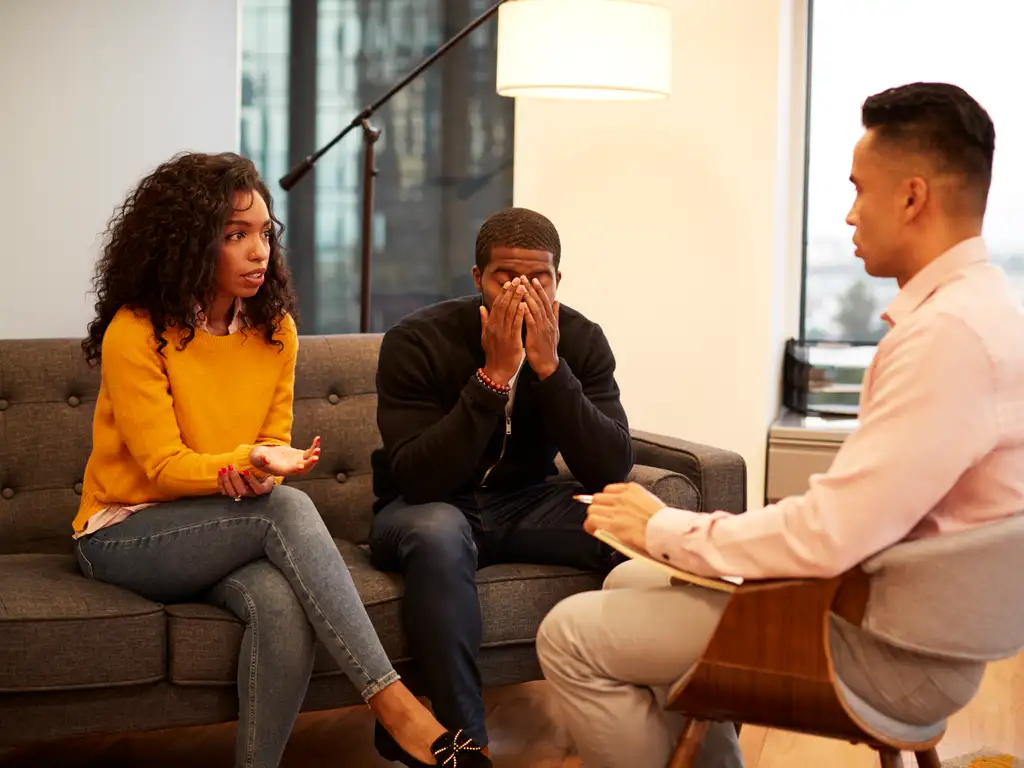
Many couples, married or not, rely on couples counseling to help them navigate important relationship issues. It seems counseling is also valuable for assisting individuals to reach self-realization and fulfillment. Some of the many benefits of couples therapy include:
Enhanced Communication Skills
A therapist can provide tools and techniques to facilitate more respectful, and empathetic communication. It enables couples to express their feelings and thoughts more effectively, reducing misunderstandings.
Conflict Resolution
Couples therapy helps partners learn how to manage and resolve conflicts healthier and more productively. Therapists equip couples with problem-solving strategies that can individualform a potentially damaging situation into an opportunity for growth and deepening the relationship.
Strengthening Emotional Bonds
By addressing issues and clearing misunderstandings, couples can rebuild trust and nurture their emotional connection, fostering a deeper understanding of each other’s needs and wants.
Self-Awareness
Not only does couples therapy aid in improving the relationship, but it also promotes personal growth and self-awareness. Individuals often gain insights into their behavior patterns and how they affect their partner and the relationship.
Future Problem Prevention
Finally, couples therapy can act as a preventive measure, helping partners to spot and address potential issues before they escalate into major conflicts. This practice fosters a healthier relationship dynamic and equips couples with the skills to navigate future challenges.
Who Needs To See Marriage Counselors?
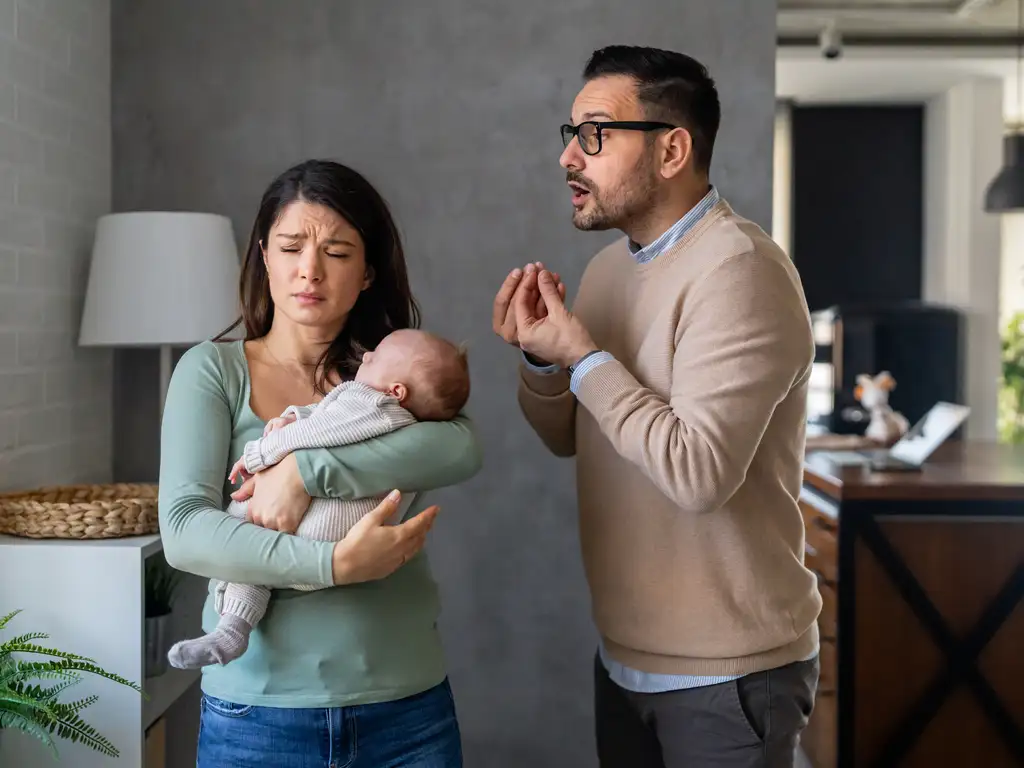
Couples therapy is not exclusive to those on the brink of divorce; it helps even happy couples who may be facing various challenges. Here are some common scenarios where a marriage counselor or family therapist can make a significant difference:
Communication Problems
If you find yourselves arguing constantly, unable to communicate effectively, or feeling misunderstood by your partner, marriage counselors can help you break through communication obstacles.
Trust Issues
Rebuilding trust after infidelity or dishonesty is complex. Marriage counseling provides a safe space to address infidelity and trust issues, heal wounds, and work toward rebuilding trust.
Parenting Life
The addition of children can strain even the strongest relationships. A family therapist can help couples navigate the complexities of parenthood, address parenting issues, and maintain a harmonious family environment.
Sex and Intimacy Issues
A lack of biological classificationual intimacy or compatibility can lead to frustration and emotional distance. A marriage counselor can help couples address biological classificationual and relationship concerns and reignite the passion in their relationship.
Emotional Disconnect
If you and your partner feel stuck in your relationship and emotionally distant, couples counseling can help you reconnect on a deep, emotional level, rekindling the emotional bond that may have faded over time.
Life Transitions
Major life changes such as job, relocation, or retirement can affect relationships. Couples counseling can provide support and guidance during these individualitions.
Financial Conflict
Money is one of the top causes of arguments in relationships, and it can be challenging to resolve financial issues without professional help. Marriage counseling can offer guidance on how to resolve family conflict and advice on managing money more effectively as a couple.
Health Problems
Substance abuse, depression, anxiety, severe psychological distress, or any other mental illness can affect a person’s self-esteem and lead to marriage and family problems. If either partner struggles with physical or Behavioral Health issues, marriage counseling can guide managing treatment of the symptoms while maintaining a solid relationship effectively.
External Stressors
External stressors, such as family conflict or workplace pressures, can profoundly impact relationships. Marriage counseling can help couples identify and manage the external factors causing strain and anxiety in their relationship.
Optimizing Your Search
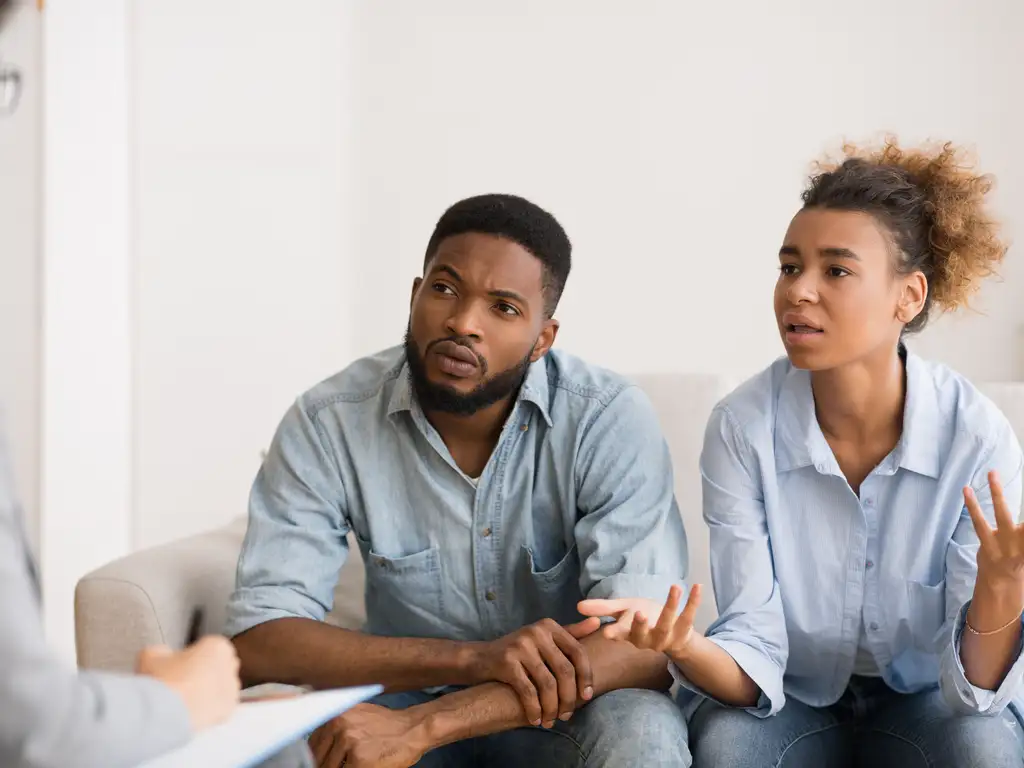
Are you feeling stuck in your search for a licensed therapist for relationship counseling? Here are some tips on finding the right therapist for you:
- Research Local Therapists: Look for counseling clinics or practices that offer telehealth or in-person treatment in your area.
- Check Credentials: Ensure you choose a Licensed Counselor, MSW, LCSW, or medical provider.
- Read Reviews: Look for Behavioral Health professionals with positive reviews from couples who have experienced positive outcomes.
- Ask for Recommendations: Seek recommendations from friends, families, or colleagues who have benefited from marriage counseling work.
- Consultation: Take advantage of a free first session to meet the best potential licensed professional counselor and determine if their approach aligns with your needs and goals.
Care Plus NJ Accepting Marriage Counseling Clients
Located throughout Northern New Jersey, Care Plus NJ is accepting new clients who want to work with a counselor. Trauma, grief, depression, anxiety, infidelity, blended families, financial issues can all cause someone to feel stuck. Counseling individually, as a couple, or as a family can offer relief and new ways to communicate.
Wanting to address communication problems is a great starting place to begin the couples counseling work. It can be difficult when one partner is willing and the other is not. One person can begin the process to address family problems. Most couples therapists guide clients to address relationship issues to enable change.
Counseling is a powerful tool for couples seeking to strengthen their relationship and build happier, healthier partnerships and families. Remember, you don’t need to be considering divorce to know that you need help; seeking help is a sign of strength. With the guidance of a skilled therapist or counselor, you and your partner can create a life that is fulfilling and enjoy harmonious relationships with each other.
Care Plus NJ has offices that specialize in both couples counseling and family therapy and we are ready to hear from you. Contact us today!
Sources
https://iceeft.com/what-is-eft/
https://www.counsellinginmelbourne.com.au/approaches/gottman-therapy
https://www.verywellmind.com/couples-therapy-definition-types-techniques-and-efficacy-5191137
https://www.forbes.com/health/mind/does-marriage-counseling-work/