
Welcome to our new website!

1 November 2021

‘Pandemic Of Behavioral Health’: Calls to Children’s Hotline Increase, Especially Before School Hours

Written by

Care Plus NJ

'Pandemic Of Behavioral Health': Calls to Children's Hotline Increase

North Jersey.com (November 1, 2021) covering the increase in calls to the children’s hotline and the adjustments from the Pandemic of Behavioral Health.
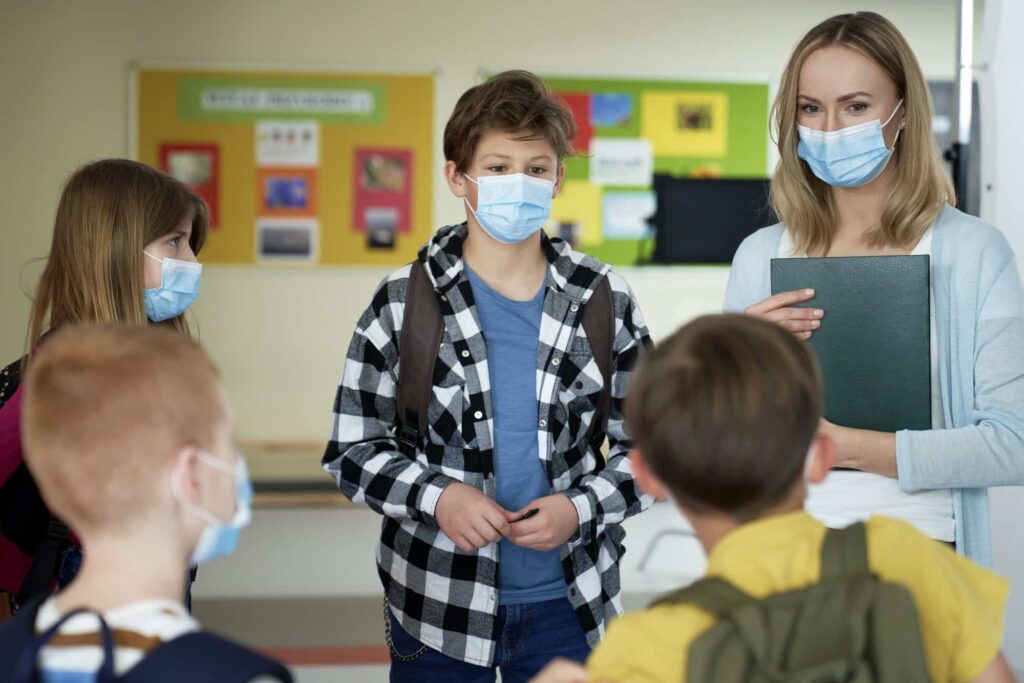
Calls for help to the New Jersey children’s Behavioral Health hotline have increased compared with last year as parents seek help, especially during the morning hours, said the Department for Children and Families (DFC) commissioner.

The overall call volume to the Children’s System of Care increased, with the most calls coming from parents as their children experience stress before school hours, Commissioner Christine Norbut Beyer said during a state COVID briefing.

Care Plus NJ partners with Manchester and Little Falls districts in Passaic County; in Bergen County, it partners with nearly 25 districts, providing Behavioral Health professionals who provide counseling for identified students, prevention around addiction, and learning support from a coping and Behavioral Health angle for after-school educational teams, said Mullins.

Mullins said her counselors in the high school reported seeing increased levels of anxiety in the first weeks of school, with some students reporting they were finding the work overwhelming and felt the need to step out of class.

“I’m seeing this from many of the districts we work with that kids this year just don’t seem to able to tolerate and cope with the kind of the stressors that may not have upset them so greatly earlier,” Mullins said.

The Care Plus NJ staff has been doing a lot of “severe psychological distress-informed care” in districts where students lost parents to COVID, or are suffering from income losses or became sick with the virus, Mullins said. Counselors try to see students during electives and lunch, rotating the classes they miss so that their academic success is not in jeopardy.

Students are referred to Care Plus NJ’ in-school providers by point persons such as teachers on child-study teams and guidance counselors. Therapy begins after a meeting with the parents or guardian. This year it has focused on helping students individualition to the school setting, after last year’s disruption. Children with chronic Behavioral Health issues are referred to external service providers.

North Jersey

Donate today to make a difference in the lives of those we serve.

Support our Mission

Belief

Belief refers to the confidence, faith, and conviction that individuals have in their ability to overcome addiction, make positive changes in their lives, and maintain long-term recovery. In substance use recovery learning self efficacy (self-belief), challenging negative beliefs, creating a positive mindset, and investing in new values gained from addressing one’s substance use disorder and Behavioral Health issues – improves oneself, relationships, and the future.

Every patient at Care Plus NJ has access to Behavioral Health professionals, including psychiatrists, and psychologists. In addition, each is assigned a case manager, drug and alcohol counselor, and peer recovery specialist who play a pivotal role in the treatment process.

As a Behavioral Health professional, they guide education, group therapy and support groups and other Behavioral Health services as indicated based on each persons needs.

CLOSE

Motivation

Motivation refers to the internal drive, desire, and commitment of an individual to initiate and sustain positive changes in their behavior, lifestyle, and overall well-being. It is a crucial factor in the C.L.I.M.B. recovery process, as overcoming addiction often requires significant effort, perseverance, and a genuine commitment to change.

Motivated individuals in recovery set clear and realistic goals for themselves. Utilizing the stages of change model, Care Plus NJ walks patients through various stages of a substance use disorder, including precontemplation, contemplation, preparation, action, maintenance, and relapse prevention. Understanding these stages helps individuals navigate their unique recovery journey.

CLOSE

Insight

Insight refers to a deep and clear understanding of oneself, one’s behaviors, and the factors contributing to substance abuse. It involves gaining awareness into the root causes of addiction, recognizing patterns of behavior, and developing a clearer understanding of the impact of substance use on various aspects of one’s life. Insight is a critical component of the recovery process as it provides a foundation for positive change and sustained recovery.

Insight involves exploring the underlying issues that may contribute to drug abuse, such as past severe psychological distresss, Behavioral Health issues, or unresolved emotional challenges. Addressing these root causes is essential for long-term recovery.

CLOSE

Courage

Courage in the context of recovering from drug addiction, refers to the ability to confront and overcome the challenges and fears associated with the recovery process in a person’s life. It involves facing one’s vulnerabilities, acknowledging the need for change, and taking positive steps toward a healthier and drug-free life.

CLOSE

Love

Love plays a significant and multifaceted role in the process of recovery from drug and substance abuse. Having a network of supportive and understanding family members, friends, or partners is immensely valuable during the recovery journey. Community, fellowship and support groups emphasize the importance of connection with others who understand the challenges of addiction. Repairing relationships damaged by substance use often involves acts of love, forgiveness, and rebuilding trust.

In essence, love in the context of substance use recovery encompasses self-love, support from others, understanding, accountability, community, rebuilding relationships, and a renewed appreciation for life.

CLOSE