
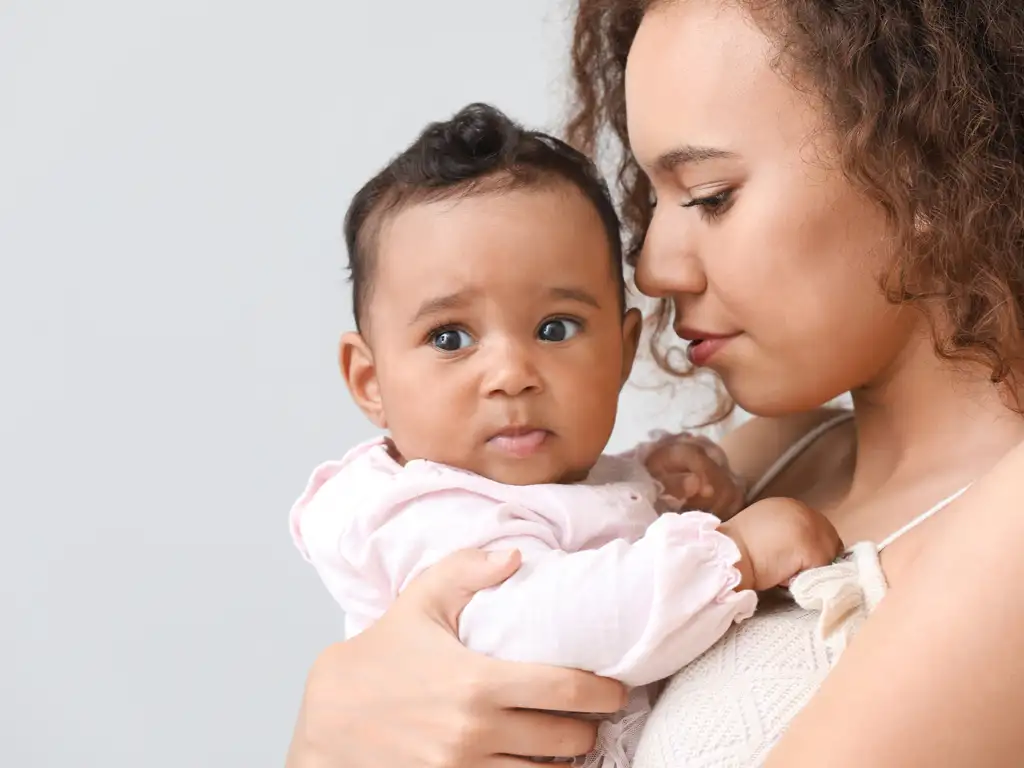
After months of waiting, you finally have a healthy baby that looks perfect in your eyes. The anticipation and planning are finally over, replaced by the pure joy and excitement of having a newborn child in your arms. However, as the weeks pass by, your happiness may start being replaced by a sense of worry that clouds over you. “Is my baby getting enough milk?” “Did she stop breathing?” “What if there’s something wrong and he can’t tell me because he’s just a baby?”
These unwanted thoughts may make you feel tense and overwhelmed to the point that you can’t get enough sleep or function properly. If severe anxiety prevents you from going about your day and caring for your new baby, then you might have postpartum anxiety. What is it and how can you treat the issue?
Care Plus NJ shares this article so you can understand, learn and know about postpartum anxiety and get the help you or your loved one needs. Keep reading to learn more.
What Is Postpartum Anxiety?
There are a wide variety of anxiety disorders classified today. Under this umbrella is postpartum generalized anxiety disorder, which is similar to generalized anxiety disorder except that it is closely linked with pregnancy and becoming a new parent.
Postpartum anxiety also called postnatal anxiety is often a comorbidity (presence of two or more diseases or medical conditions in a patient at the same time) of postpartum depression, another mental illness that many new mothers face. Around 10 to 15% of new moms will develop some level of postpartum anxiety after giving birth, making the issue a common occurrence among the general population.
Postpartum Anxiety Results from an Array of Factors
Postpartum anxiety results from an array of factors, not just one trigger. Rapid and frequent hormonal changes, lack of sleep, the stress of caring for a helpless baby, and having a history of past depression, anxiety disorders and other Behavioral Health problems can all contribute to a person getting postpartum anxiety disorder.
The good news is the issue can typically be resolved with the right treatment, therapy, and if needed, postpartum anxiety medication.
Postpartum Depression Vs. Postpartum Anxiety Vs. Baby Blues
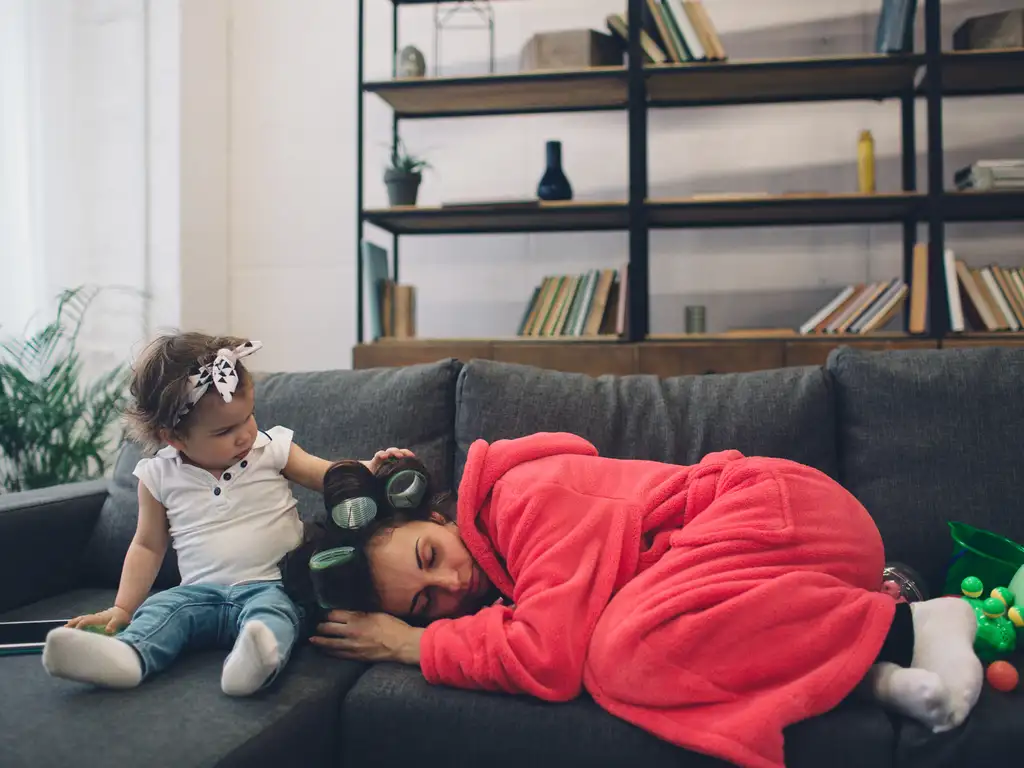
During your consultations with your OB/GYN or primary care doctor, you probably learned about the complications that may happen before, during, and after pregnancy. You can develop postpartum anxiety, postpartum depression, postpartum PTSD, and even obsessive-compulsive disorder (OCD). However, more often than not, what you’re feeling may just be baby blues.
So how do you know if you’re having normal emotional fluctuations or legitimately developing postpartum depression or anxiety?
Baby blues only last for a short while, and the feeling can include emotional highs and lows like crying, extreme happiness, and anxiety. The real concern begins if baby blues last for more than a few weeks and start becoming a hindrance to your daily life.
Postpartum depression and anxiety are more serious issues that last for a longer period. Their symptoms also hamper your life and how you care for your baby. Feeling overwhelmed becomes an almost constant occurrence that affects your social relationships, career, and family. Sadly, these issues won’t go away by themselves. You may need professional help to treat excessive anxiety. A Behavioral Healthcare provider can also help you handle your mental and physical symptoms so you can manage them better.
Postpartum Anxiety Symptoms: Recognizing the Signs
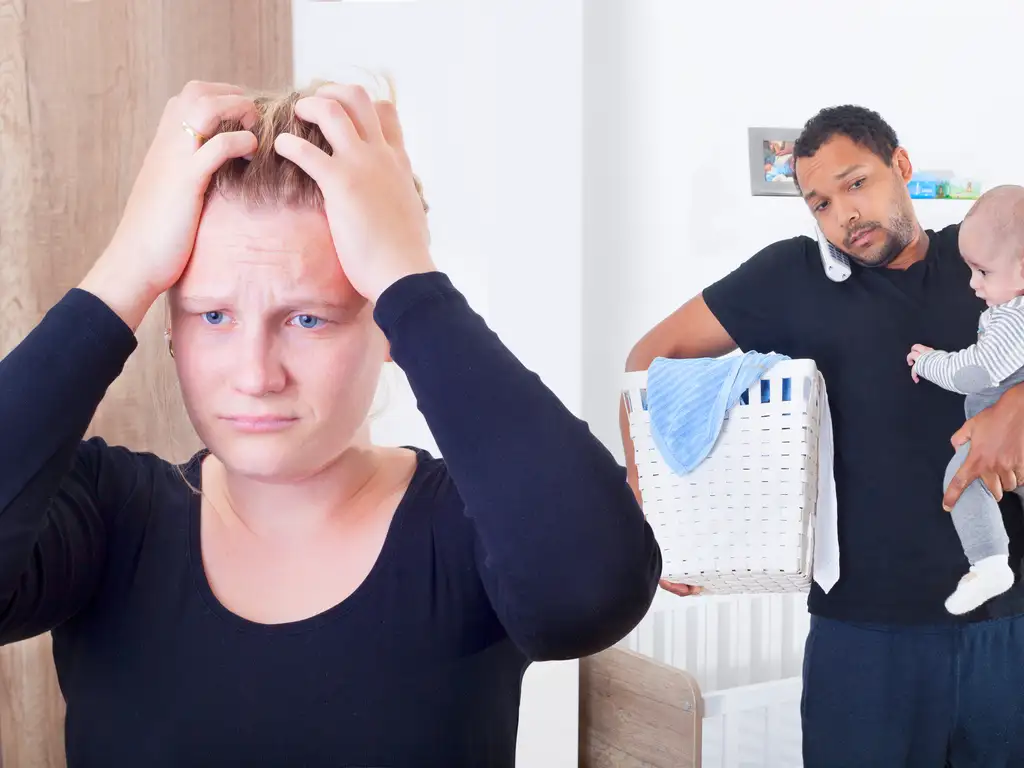
The symptoms of postpartum anxiety vary from one parent to another. Those with more severe cases show more symptoms, but you don’t need to have constant panic attacks to justify seeking help. If you think that your emotions are not what’s normal for you, consult with your OB/GYN, primary care provider, or a program with therapists like the Maternal and Family Center at Care Plus NJ.
Physical Symptoms
Having postpartum anxiety can manifest in various physical issues, such as:
- Rapid heartbeat and shortness of breath: An elevated heartbeat and rapid breathing are common symptoms of an anxiety disorder. These symptoms could also be the precursors of a panic attack.
- Persistent jitters: You’re constantly agitated, feeling as though your body is on edge at every waking moment.
- Dizziness and nausea: The constant stress can upset your stomach and other systems, so you may frequently feel lightheaded, dizzy, and on the verge of vomiting.
Mental Symptoms
Most of the symptoms of postpartum anxiety are psychological. Here are some to watch out for:
- Constant feeling of danger: You feel as though something is going to go wrong at any moment, even though there’s nothing specific you should be worrying about.
- Excessive worry for your baby: At night, you wake up to check on them. You imagine scenarios where you failed to take care of your baby and they’re in danger. It’s a normal thing to think about your baby’s health and safety, but the thoughts shouldn’t take over your mind.
- Stress over being a parent: You constantly think about ways you can do better as a new parent, questioning your ability, finances, and other matters that make you feel stressed and anxious.
- Racing thoughts: There are so many things going on in your head that it’s difficult to form any coherent thoughts, finish tasks, and maintain relationships with your loved ones.
Risk Factors
Some individuals are inherently more susceptible to developing postpartum anxiety because of several risk factors, including the following:
Personal or Family History
Women who’ve been previously diagnosed with Behavioral Health issues like PTSD, depression, and other mood disorders are more likely to develop postpartum anxiety. If you have family members that also had perinatal anxiety, then you’re also more likely to get one.
Diagnosed With Obsessive-compulsive Disorder
Those who’ve been diagnosed with OCD have a higher chance of developing postpartum anxiety. OCD is under the anxiety disorder umbrella and the way its symptoms manifest makes a person more prone to anxiety-related issues.
Previous Stillbirth or Miscarriage
If a mother has experienced a miscarriage or stillbirth in the past, they may start worrying about their baby and all the things that could go wrong. Combined with fluctuating hormone levels and the stress of caring for a newborn, this mental state can develop into an anxiety or depression.
Can Postpartum Anxiety Happen to Dads as Well?
Yes. It may seem surprising, but even men can experience postpartum anxiety — the prevalence rate is near 10%. Often, the anxiety disorder comes with comorbid depression and can last past the postpartum period. Why does this happen?
Like new moms, new dads typically also feel a lot of stress. They are worried about this big change in their lives and their family, worried about their partner’s health, or worried about the baby’s safety. This severe worry can easily become excessive and uncontrolled, signs that their symptoms are developing into anxiety.
If you’re a new dad, don’t dismiss what you’re feeling. This is a time of big changes and you’re not immune to Behavioral Health problems. Seek treatment if your excessive anxiety or worrying is becoming a debilitating issue.
Treatment Options for Postpartum Anxiety
Postpartum anxiety, unlike baby blues, doesn’t go away on its own. It can become a life-long disorder. Thankfully, there are ways to treat this mental illness so mothers can resume their normal lives and care for their families without further issues.
If you are experiencing symptoms we’ve outlined above, consult with your OB/GYN so they can refer you to a Behavioral Health professional that can diagnose and treat the problem.
How is postpartum anxiety treated? Here are some of the medically approved methods.
- Medication: Since postpartum anxiety can stem from hormonal imbalances, your psychiatrist may prescribe anti-anxiety medication. Selective serotonin reuptake inhibitors (SSRIs), which work to increase the levels of serotonin in the brain, are a great example.
- Therapy: Along with medication, your psychiatrist may also recommend some type of therapy to help you process your feelings and your thought patterns. One of the more effective therapies for anxiety disorders is cognitive behavioral therapy (CBT), a type of psychotherapy that helps individuals recognize negative thought patterns and deal with problems one step at a time.
Non-medication Practices
Aside from seeking psychological help, there are a few things you can do by yourself to reduce the symptoms of postpartum anxiety.
- Hug and cuddle your baby. This form of bonding helps release oxytocin, a feel-good hormone that reduces anxiety levels.
- Move more by doing light exercises, such as yoga and walking. Physical activity also makes the brain release feel-good hormones and helps distract you from intense fear and emotions.
- Spend time with other mothers. They can be your source of support, a safe space where you can air out your concerns and share experiences.
- Don’t be afraid to ask for help. They say that it takes a village to raise a child, so don’t hesitate to ask other people to handle things for you while you focus on your new baby.
Let Care Plus NJ Help
Postpartum anxiety is one of the lesser-known complications new parents find they may face after giving birth. Thankfully in northern New Jersey, Care Plus NJ understands what’s going on and can provide the treatment and services most parents need.
Maternal and Family Center
Care Plus NJ has the Maternal and Family Center that serves as a place where new parents, new mothers with their new baby and established families with multiple children can have honest conversation with a trained healthcare provider about common signs of postpartum anxiety, perinatal depression, difficult pregnancy, postnatal anxiety, and a systematic review of the postpartum period.
Care Plus NJ welcomes first time pregnant moms, mild cases to higher risk pregnancy mothers, and new parents to learn and have access to the services and treatment offered, especially addressing issues like postpartum anxiety and postpartum depression.
If you or a loved one is experiencing the symptoms we outlined above and would like to learn more about postpartum anxiety and postpartum depression, please reach out and contact us today.
Sources:
https://www.whattoexpect.com/first-year/postpartum-health-and-care/postpartum-anxiety/
https://societyforpsychotherapy.org/dads-experience-postpartum-anxiety-too/
https://www.webmd.com/balance/ss/slideshow-health-benefits-cuddling
https://individuals.texaschildrens.org/blog/recognizing-signs-postpartum-anxiety
https://www.parents.com/parenting/moms/healthy-mom/the-other-postpartum-problem-anxiety/