
While drugs are designed to treat a medical condition, they can also have potential risks and long-lasting adverse effects on the body. This is true for synthetic opioids like fentanyl, which can remain in the body even after its effects have worn off.
Fentanyl is a strong painkiller used to treat severe pain. Even if prescribed by a doctor, it can be dangerous as it is highly addictive and can have serious side effects. Knowing how long fentanyl stays in your system can be important to properly manage your medical use of this drug, monitor its potential risks and side effects, and prevent drug abuse.
In this blog post, we’ll explore how long fentanyl stays in your system, the risks of fentanyl substance abuse, and methods of detection and treatment.
What Is Fentanyl?
Fentanyl is a powerful synthetic opioid prescribed to treat severe and chronic pain, especially for serious medical conditions like cancer. It binds to the opioid receptors within the brain and central nervous system, altering how a person perceives and responds to pain.
Pharmaceutical fentanyl is most often available in the following forms:
- Injectable solution: This is an injectable form of fentanyl that can be administered by a healthcare professional
- Transdermal patch: This is a thin, adhesive patch placed onto the skin that slowly releases fentanyl over time
- Tablet: This form of fentanyl is taken orally
- Lozenge: These small “lollipops” dissolve in the mouth to release fentanyl
- Nasal sprays: This form of fentanyl is sprayed into the nose
Illicit fentanyl is manufactured illegally as a street drug and can be found in many forms, including:
- Powder form: This is the most common form of illicit fentanyl that can be snorted, smoked, or injected. It can also be mixed into other drugs like cocaine or heroin.
- Pills: This form of fentanyl is usually illegally produced and sold as fake prescription opioids, like oxycodone or hydrocodone.
- Blotter paper: Fentanyl can also be found in blotting paper, a thin sheet of paper with a fentanyl solution absorbed into it. This is often ingested orally and absorbed through the mucous membranes.
Fentanyl is a highly potent synthetic opioid. According to the United States Drug Enforcement Administration, it can be up to 50 to 100 times stronger than morphine. This potency makes fentanyl extremely dangerous, as even a small dose can lead to tolerance, dependence, and addiction.
If misused or taken frequently or in large doses, fentanyl has a high risk of overdose and death. Over 150 people die daily from synthetic opioid-related overdoses, including fentanyl overdoses. This makes fentanyl use and misuse a serious public health issue.
How Long Does Fentanyl Stay In Your Body?
The length of time that fentanyl stays in a person’s system depends on various factors, including the following.
The Half-life of the Drug
The drug’s half-life is the amount of time it takes to eliminate half of the drug from your body. According to a National Institute on Drug Abuse study, the half-life of fentanyl typically lasts between three to seven hours.
Additionally, how the fentanyl is administered affects its half-life. The half-lives of the various forms of fentanyl are as follows:
- Intravenous: Injected into a vein, this form of fentanyl has a half-life of two to four hours, depending on the dose.
- Transdermal: The fentanyl in a individualdermal patch generally has a half-life of about 17 hours.
- Transmucosal: This form of fentanyl, administered through the nose or mouth, has a half-life of 5 to 14 hours, depending on the formulation.
The Metabolism of the Drug
The drug’s metabolism is how the drug is broken down within the body and removed from your system. Many factors can affect the speed at which a drug is metabolized, including:
- Age
- Gender
- Genetics
- Height
- Body mass
- Body fat percentage
- Hydration levels
- Liver function
- Dosage of fentanyl taken
- Frequency of drug use
- Use of other drugs or alcohol
Even after you no longer feel the effects, its metabolites can stay in your system longer. This is why standard drug tests can answer how long does fentanyl stay in one’s system.
What Drug Test Can Detect Fentanyl?
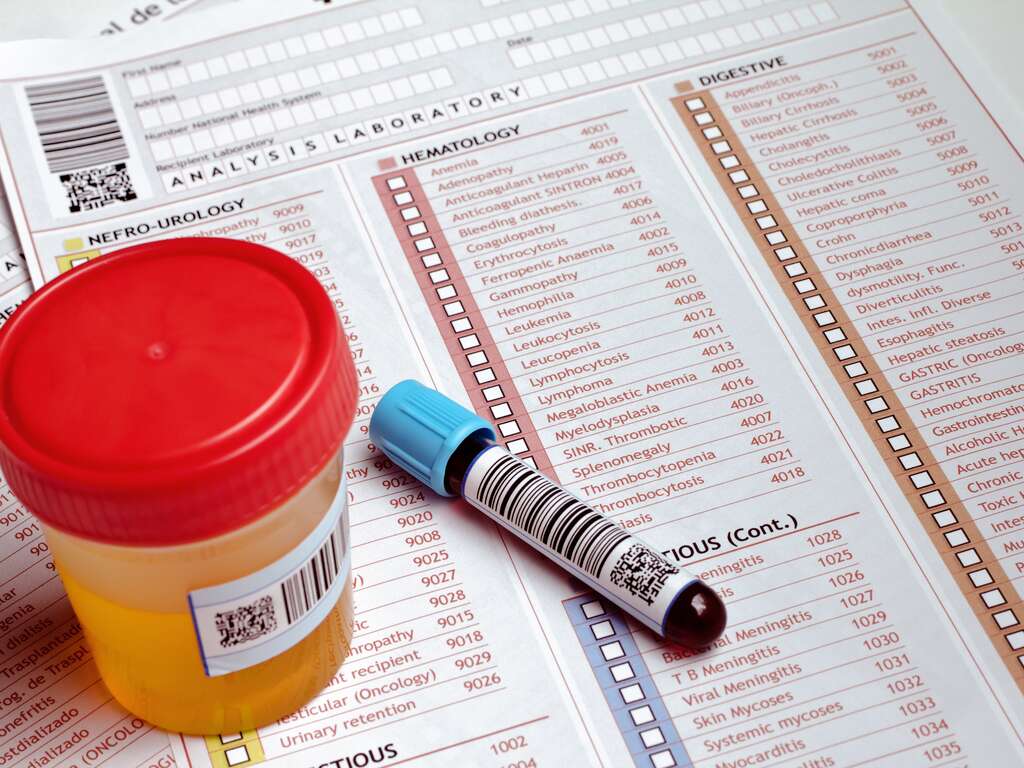
When your body breaks down fentanyl, the drug leaves tancestrys of metabolites in your system. Various types of drug testing can detect these drug metabolites. A standard drug test won’t usually screen for fentanyl, unlike an advanced drug test. If you want to determine the presence of fentanyl in your system, you may have to take an advanced drug test.
Below is standard drug testing to see how long fentanyl will stay in your system.
Urine Test: Urine tests can detect fentanyl for up to 24 to 72 hours after the last dose.
Blood Analysis: Metabolites can show up in blood tests for 5 up to 48 hours from the previous dosage.
Hair Test: Hair tests can still find tancestrys of fentanyl for up to three months.
Saliva Tests: Even if fentanyl was taken orally, saliva tests can not consistently detect the drug.
What Are the Risks and Side Effects Synthetic Opioids?
Taking too much fentanyl can cause serious side effects and even death. Some of the more common risks associated with prescription and illicit fentanyl include the following:
- Nausea and Vomiting: Using too much fentanyl can make you nauseous and lead to vomiting.
- Body Pain: Fentanyl use can cause severe chest, back, and stomach pains.
- Respiratory Depression: Fentanyl can slow down your breathing, which may lead to respiratory arrest or even death if taken in large doses.
- Agitation and Anxiety: Fentanyl can also cause agitation, anxiety, confusion, and hallucinations.
- Sleep Trouble: Fentanyl can cause trouble sleeping, such as insomnia or nightmares.
- Changes in Heart Rate and Blood Pressure: Fentanyl use can also affect your heart rate and blood pressure, which may lead to further health complications.
- Diarrhea: This is a common side effect of fentanyl use and can cause dehydration.
- Depression: Some people who use fentanyl also experience depression, which can lead to suicidal thoughts or behaviors.
- Long-term Health Effects: Prolonged use of fentanyl can also lead to long-term health effects, such as kidney or liver damage, memory loss, and seizures.
- Tolerance and Dependence: If a person develops a tolerance to fentanyl, they might become dependent on the drug, leading to addiction.
- Overdose: Fentanyl has a high risk of overdose due to its potency. An overdose can be fatal if not treated immediately.

What Are the Withdrawal Symptoms of Fentanyl Addiction?
People who are tolerant or dependent on fentanyl may experience withdrawal symptoms once they stop taking the drug. Some of the common fentanyl withdrawal symptoms include:
- Irritability
- Loss of appetite
- Sleeping problems
- Increased heart rate and blood pressure.
- Nausea and vomiting
- Diarrhea
- Chills and fever
- Body pain
- Uncontrollable body movements
- Anxiety and depression
- Strong drug cravings
How Does Care Plus NJ Treat Fentanyl Addiction?
Treating fentanyl addiction is complicated, and it’s vital to seek professional help from a qualified medical or Behavioral Health professional. Care Plus NJNJ addiction treatment programs may include the following.
Opioid Addiction Medications
Medication-assisted treatment (MAT) is a common approach to treating opioid addiction. MAT uses medications to reduce cravings, withdrawal symptoms, and the risk of overdose.
The National Institute on Drug Abuse lists common medications used for MAT, although at Care Plus NJ we offer MAT under strict guidance of our doctors. The list of medications used are decided upon the need of the client.
Some drugs that are used for MAT are:including:
- Methadone: This full opioid agonist attaches itself to the same receptors as fentanyl to mimic its effects and reduce cravings.
- Buprenorphine: This partial opioid agonist works similarly to methadone to reduce cravings but has a ceiling effect that makes it less likely to cause an overdose.
- Naltrexone: This full opioid antagonist blocks the effects of opioids on the brain and can help reduce cravings.
Behavioral Therapies
Common behavioral therapies used for opioid abuse include:
- Cognitive-behavioral therapy (CBT): CBT focuses on identifying and changing negative thought patterns to reduce cravings and help with relapse prevention.
- Contingency management (CM): CM uses rewards or consequences to reinforce positive behaviors, such as staying sober.
- Motivational interviewing (MI): MI focuses on helping individuals understand their motivations and find internal motivation to abstain from drug use.
Medical Detox Programs
Opioid detox programs offer medical intervention monitoring to ensure a safe and comfortable opioid withdrawal. Detox programs can include medications and behavioral therapies to reduce withdrawal symptoms.
At Care Plus NJ we determine if a patient is appropriate for outpatient detoxification and if so prepare them for a visit with our doctor. If they need 24/7 medical care we will refer them to an inpatient program.
In Conclusion
Fentanyl is a powerful opioid with a high risk of overdose and addiction. It can stay in your system for a long time and have long-term health effects.
If you or someone you know is abusing fentanyl, it’s essential to seek professional help. Care Plus NJ offers comprehensive addiction treatment services for adults and teens. Our expert medical professionals will work with you to create a personalized treatment plan that meets your needs.
Care Plus NJ offers affordable treatment and recovery services for substance addiction as an in-network facility for most insurance plans including state insurance plans. Contact us today to learn more about how we can help you or a loved one recover from fentanyl addiction.
Resources:
https://nida.nih.gov/publications/drugfacts/fentanyl
https://www.ncbi.nlm.nih.gov/books/NBK459275/
https://ophelia.com/blog/how-long-does-fentanyl-stay-in-your-system