
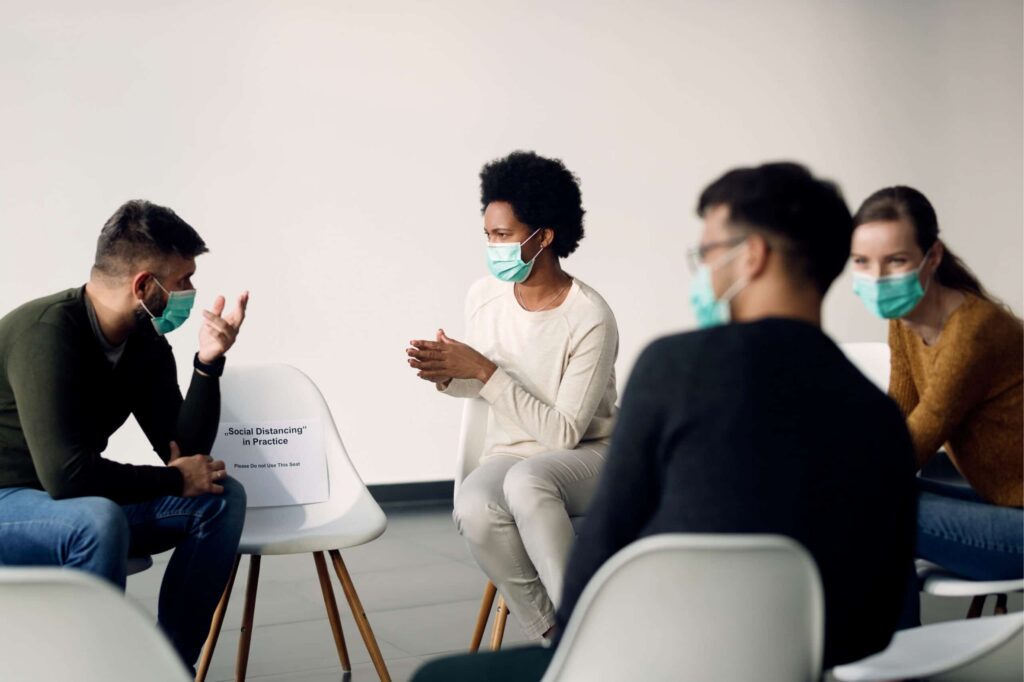
For the person impacted by addiction, knowing how to get support can be overwhelming. If they know they need help, they’ve already taken the first step toward recovery by acknowledging their addiction. But what should they do after that big leap?
- Seek support from someone with expertise
- Find a treatment program that is the right fit
The treatment and recovery process is designed to restore and repair the overall health and emotional well-being of those who have an addiction, and their families. Though there are many options, there is no one-size-fits-all approach.
How Do I Find a Treatment Program?
Recovery from an addiction is always dependent on how much the person puts into the process. It requires commitment and support. The right treatment plan depends on multiple factors, including the severity of addiction, the amount of family and friend support, the substance(s) being used, responsibilities of the person suffering addiction (work/family), if religion is a factor, and many more.
What Treatments Are Available?
Care Plus NJ offers customized programs designed to meet individual needs while providing services that support wellness and recovery. Individuals are evaluated and engaged in their treatment planning to determine the best fit for the care process. Families are also encouraged to engage, and are offered specialty support. Although the continuum of care does not include all services listed, such as inpatient treatment, referral and care coordination to other levels of care is available.
Medication Assisted Treatment (MAT)
Medication-Assisted Treatment is the gold standard for addiction recovery, whether in inpatient or outpatient programs. During detox and possibly throughout treatment, this approach can help with the different aspects of recovery. MAT is an evidence-based practice that helps with managing withdrawal symptoms, reducing cravings, and treating co-occurring disorders.
Outpatient Options in Treatment
Outpatient drug rehabilitation programs can be a good option for someone with a mild addiction or as part of a long-term treatment program. They tend to be more affordable than inpatient programs and allow individuals to retain a sense of autonomy. Treatment is still intensive though; it requires many hours and a solid commitment to change.
Outpatient Programs and Services
Outpatient programs and services provide comprehensive addiction care with many of the same treatments and therapies as inpatient rehabs. In an outpatient program, patients may live at home during the recovery process, which allows them to continue working and caring for their families.
Outpatient therapy requires individuals to commit to and follow a very disciplined recovery, despite the challenges of possibly coming in contact with substances that have the potential for abuse. Outpatient programs also work well as a next-step-stage after inpatient treatment and are sometimes combined with sober living homes.
The Addiction Recovery Services at Care Plus NJ provide the most appropriate level of care in the least restrictive setting, including integrated access to:
- Outpatient withdrawal management
- Intensive outpatient program
- Outpatient program
- Individual & family therapy
- Family support
- Peer recovery coaches
- Employment & education support
- Care coordination
- Medicated assisted treatment
- Medication monitoring services
Outpatient Withdrawal Management Program
This service for opioid treatment was established to provide seamless access to services that support wellness and recovery. The unique advantage of this program is that it allows the person in treatment to maintain normalcy in life, while building resilience during the process of recovery, with clinical and social support.
In this program, medication-assisted treatment, regular medication monitoring and therapeutic support are provided through a multidisciplinary team of experts. Medical staff includes board-certified American Society of Addiction Medicine physicians, psychiatrists and experienced nursing staff, as well as licensed clinicians providing therapeutic interventions.
Intensive Outpatient Program (IOP)
This alternative to an inpatient stay includes three to four group meetings per week plus wraparound support. As a night program, it is designed to support those in recovery that need to continue working during the day. This program is also helpful for those with other daytime obligations or responsibilities that would otherwise prevent them from attending inpatient treatment.
Outpatient Program (OP)
This program is a step down from IOP, and includes two group meetings per week, and ongoing support as needed. Consisting of group and individual therapies, the OP utilizes a psychoeducational curriculum to educate and support healthy decision-making, healthy coping, refusal skills and relapse prevention.
Traditional Treatment Approaches
Detox Program
Detoxification (detox) is especially important for those suffering from severe addiction. Detox programs help people safely withdraw from one or more substances. Medications may be used to ease the withdrawal symptoms. With moderate to severe forms of addiction, detox may be needed as a first step in the treatment path.
Inpatient Treatment
Inpatient rehab programs offer structured treatment in a substance-free facility, where the recovering person will reside during treatment. Medical care and therapeutic support is available 24/7 and addresses all factors of an individual’s addiction. Inpatient treatment works best for those with chronic and/or severe addiction.
Sober Living Homes
Sober living homes work as a individualition between an inpatient treatment program and the return to regular, daily life. These homes are a good option for anyone who needs additional time reinforcing and practicing the skills and coping mechanisms they learned in rehab. Healthy habits are solidified while the person in recovery is able to live in a structured environment and slowly individualition to living on their own again.
Faith-Based Treatment
For individuals that prefer a more spiritual approach to their recovery, there are faith-based rehab centers. This type of program allows people to work on recovery with others who are also looking for strength from a higher power to stay on their recovery path.
What Should I Do After Treatment?
Maintaining long-term sobriety requires willpower and self-discipline. After treatment, reinforcing the lessons learned is key to not return to harmful behaviors. Attending support groups and therapy is the best way to stay committed to sobriety.
Support Groups
Support groups are an integral part of sticking with an ongoing treatment plan and providing long-term care. A support group is made up of people who can connect with each other and empathize with the challenges of addiction and sobriety. These groups offer much-needed encouragement throughout the recovery process.
There are many different support groups tailored to a specific substance abuse, demographic, or need. Finding the right group provides a supportive community that motivates and inspires each person to stay committed to sobriety. No one is ever alone on the journey to recovery.
Therapy
There are many different forms of therapy employed during treatment for addiction. Therapy, both for the person in recovery and for family members, is an important component of sobriety and should be continued after completion of a treatment program. Depending on individual needs, therapy can range from low-level contact, such as periodic telephone conversations, to high-level contact such as coaching and mentoring.
How Do I Support A Loved One With an Addiction?
Not every person suffering from addiction has taken the important step of acknowledging their disease and seeking help. If you have a loved one suffering from addiction, an intervention may be useful to start the recovery process.
An intervention specialist often supervises an intervention. Loved ones gather in order to express their feelings in a constructive, non-threatening or accusatory way, and encourage the person suffering an addiction to enter a treatment program. The Family Support Center at Care Plus NJ utilizes the evidence-based CRAFT model to provide tailored support to families seeking to engage with loved ones to address substance use.
What Is the Cost of Addiction Services?
The cost of addiction treatment services depends on the needs of the individual seeking help, but there are affordable treatment options. In addition to working with most insurance plans, including Medicaid, Care Plus NJ also helps people obtain insurance. Other options are also available for those who have financial concerns, such as grant funded supportive services.
Care Plus NJ offers a comprehensive range of addiction and Behavioral Health services, including Medication-Assisted Treatment, outreach and services for veterans and their families and online therapy. Care Plus NJ also has decades of experience in serving individuals with mental illness or substance use disorders that have justice-involvement.
For more information on our comprehensive treatment program options, please call (201) 364-5000 or fill out the contact form.