
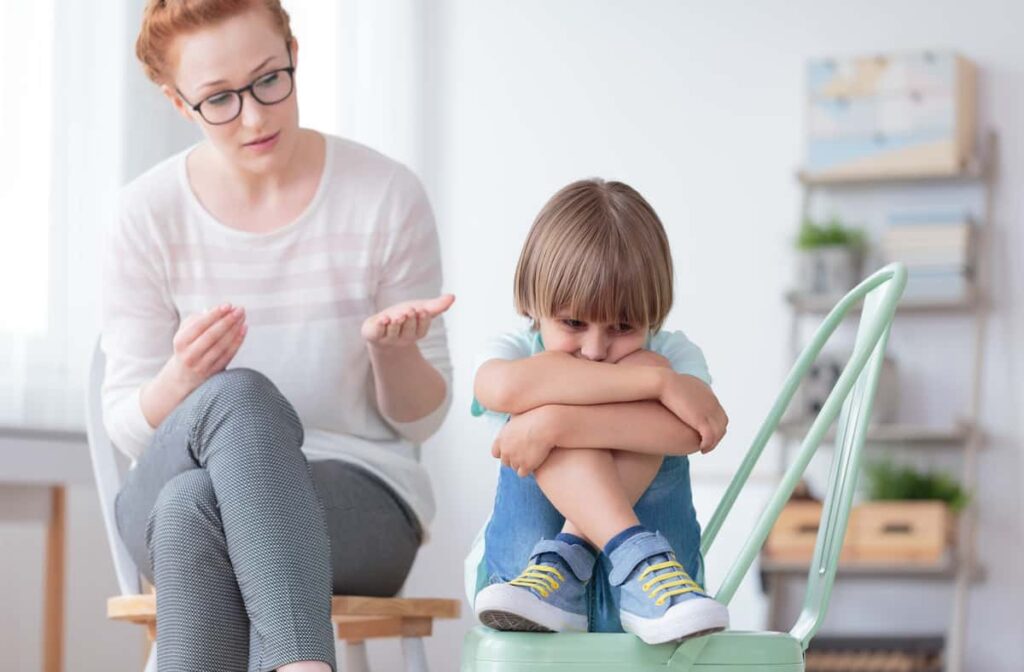
Behavioral Health disorders are often thought to be an adult health problem, but these disorders can begin at any age. Behavioral Health disorders in children and adolescents can be especially difficult for parents, teachers or other caregivers to spot. Though children suffer from the same Behavioral Health disorders that affect adults, the symptoms and their behaviors are not the same. Being unable to recognize these disorders in children often results in many children not getting the help they need. Having pediatric Behavioral Health awareness and understanding the warning signs is key to helping a child receive the proper treatment.
Types of Behavioral Health Disorders in Children and Adolescents
Behavioral Health disorders are serious or drastic changes in the way children usually learn, behave, or handle their emotions. These changes cause distress and affect the child’s ability to function throughout the day, much the way Behavioral Health disorders do in adults.
Healthcare professionals use the guidelines in The American Psychiatric Association’s Diagnostic and Statistical Manual, Fifth edition (DSM-5), to help diagnose Behavioral Health disorders in children.
Many Behavioral Health issues can affect children, including, but not limited to:
- Anxiety
- Attention-deficit/hyperactivity disorder (ADHD)
- Conduct disorder (CD)
- Depression
- Eating disorders
- Oppositional defiant disorder (ODD)
- Obsessive-compulsive disorder (OCD)
- Post-severe psychological distresstic stress disorder (PTSD)
- Tourette syndrome
- Trauma
Other conditions and concerns that affect children’s learning, behavior, and emotions include learning and developmental functional limitations, autism, and risk factors like substance use, self-harm, and Adverse Childhood Experiences (ACEs).
Statistics and Facts
Behavioral Health disorders in children are prevalent. According to the CDC up to one in five children in the United States experience a mental disorder each year. In particular, anxiety and depression, ADHD and behavioral issues are the most commonly diagnosed Behavioral Health disorders in children. Certain diagnoses commonly occur together. For example, children experimenting with substances often have a co-existing Behavioral Health condition, such as anxiety and/or depression.
In the past 20 years, depression and anxiety in children have steadily increased as well. Mental, behavioral and developmental disorders begin in early childhood and the treatment rates vary depending on the type of disorder and when it is diagnosed. As children age, the rates of Behavioral Health disorders change as well. For example, behavioral issues are more common specifically in children ages six to 11 years old, whereas depression and anxiety diagnoses are more common with older children, adolescents and teens.
Symptoms / Warning Signs
Warning signs and symptoms of a Behavioral Health illness in a child include:
- Withdrawing from friends and family
- Avoiding social interactions
- Loss of interest in hobbies or activities
- Drastic changes in mood, behavior or personality
- Persistent sadness lasting at least two weeks or longer
- Self-harm or talk of hurting oneself
- Talking about suicide or death
- Frequent verbal outbursts
- Extreme irritability
- Out-of-control behavior that can become harmful to the child or others
- Sleep problems – difficulty sleeping; sleeping too much; sleeping at inappropriate times
- Changes in eating habits
- Weight loss
- Frequent stomach aches
- Frequent headaches
- Poor concentration
- Missing school in older children or trying to avoid school in younger children
- Changes in academic performance
When and How to Seek Help
If you have noticed any of the warning signs, consult your child’s physician and describe the symptoms and behaviors. If you are concerned about your child’s behavior, you can also speak with your child’s siblings, close friends, other caregivers or close relatives and teachers. Ask if they’ve noticed any changes as your child may confide in a sibling or close friend instead of a parent or other trusted adult. These close contacts may have crucial information to share.
Diagnosis and Treatment
Diagnosing Behavioral Health disorders in children may take longer than in adults because children often have trouble understanding or expressing their emotions. Also, “normal” development varies from child to child. Your child’s therapist may change or refine the diagnosis as treatment progresses over time.
Treatment options for children and adolescents with Behavioral Health conditions include psychotherapy and possibly medication, depending on the condition and individual. Psychotherapy may also be referred to as talk therapy or behavior therapy, which addresses Behavioral Health concerns by talking with a Behavioral Health professional. Children and adolescents learn:
- How to express their thoughts and feelings
- How to best respond to these thoughts and feelings
- How to learn new, helpful behaviors and coping skills
Your child’s Behavioral Health professional may recommend a medication as part of the treatment plan. Though the physician will likely explain risks, side effects and benefits of drug treatments, be sure to discuss how to handle potential adverse side effects. Medication treatment often takes time to work and should be regularly evaluated to decide if it’s the best choice. Changes may need to be made over time as children develop.
Ways You Can Help Your Child
Once a treatment plan has been established, you can help your child by embracing much-needed support and care, both for you and your child. There are a variety of supportive activities and services to complement therapy:
- Consider family counseling (your child’s physician or therapist can provide more information if they feel this is needed)
- Educate yourself about the disorder(s)
- Enroll in available parent training programs and support groups
- Ask your child’s Behavioral Health professional for advice on how to best work with your child and appropriate ways to handle behavioral issues
- If needed, speak with your school counselor or teacher about your child and the extra support they might need at school, especially if behavior disorders are identified
- Practice stress management techniques to help you stay calm; your child may benefit as well
- Praise specific things about your child – their strengths, things you love about them, their abilities
- Schedule one-on-one time with your child to just have fun
Care Plus NJ Services Offer Therapy and Support for Children and Families
In addition to outpatient services, Care Plus NJ offers a variety of group therapy choices – both support groups and therapeutic group sessions. These sessions are designed to enhance the mental and physical well-being of children, teens and parents struggling with social, behavioral, and Behavioral Health challenges. Group therapy is a safe, stigma-free place to go to heal mind and body together. To find out more, contact us at (201) 986-5000 or click here.
Children’s Mobile responds to the needs of children and families in crisis in Bergen County. The mission of Children’s Mobile is to keep children in safe living arrangements by providing interventions designed to stabilize and improve relationships within the family. They also address areas of stress with the goal of reducing the need for out-of-home placement or psychiatric hospitalization.
Specialized Services
- Response to the site of the crisis within one hour, or via telehealth, if preferred
- Crisis de-escalation and safety assessment
- Treatment planning
- Provision and management of stabilization services for eight weeks
- Discharge planning, including referral for ongoing services
If a child or youth up to 21 years old is in need of immediate crisis intervention or stabilization, request Children’s Mobile services by calling PerformCare at 877-652-7624.
We provide services 24-Hours/7 Days per week at our Crisis Intervention and Stabilization services for Children and Youth in Bergen County.