
Welcome to our new website!

13 September 2020

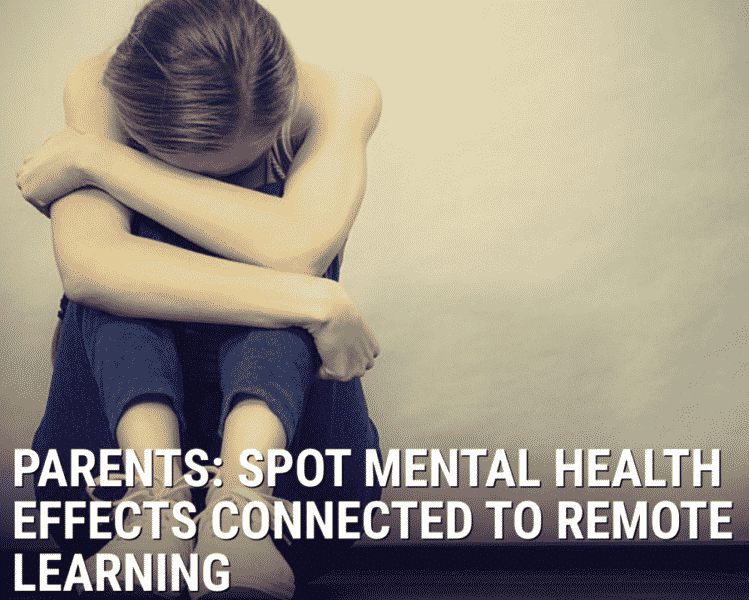
Parents: Spot Behavioral Health Effects Connected to Remote Learning

Written by

Care Plus NJ

NJ 101.5 discussed how to spot Behavioral Health issues in students while remote learning. 

In a recent 4-H National Council survey, 70% of responding teens said they felt depressed, anxious or highly stressed. In the same survey, 61% said the pandemic had increased their feelings of loneliness.

A nationwide Gallup poll taken in June found three in 10 parents said their children were “already experiencing harm” to their emotional and Behavioral Health as a result of social distancing and school closures.

“Feelings of anxiety and loneliness can increase for students as they try to get through the uncertainty this school year brings,” said Lorraine Gehrig-Mullins, Vice President of School-Based Services for Care Plus NJ.

Gehrig-Mullins said Behavioral Health among students is more of a concern with virtual learning because students have lost their connections to the resources that in-person schooling provides them — including a consistent presence from caring adults who are connecting with them on a daily basis in person. They don’t have access to the on-site Behavioral Health services that schools often provide, or the structure and consistency of a school day.

Read more about how to help students during remote learning:  https://nj1015.com/parents-spot-mental-health-effects-connected-to-remote-learning/?utm_source=tsmclip&utm_medium=referral

Donate today to make a difference in the lives of those we serve.

Support our Mission

Belief

Belief refers to the confidence, faith, and conviction that individuals have in their ability to overcome addiction, make positive changes in their lives, and maintain long-term recovery. In substance use recovery learning self efficacy (self-belief), challenging negative beliefs, creating a positive mindset, and investing in new values gained from addressing one’s substance use disorder and Behavioral Health issues – improves oneself, relationships, and the future.

Every patient at Care Plus NJ has access to Behavioral Health professionals, including psychiatrists, and psychologists. In addition, each is assigned a case manager, drug and alcohol counselor, and peer recovery specialist who play a pivotal role in the treatment process.

As a Behavioral Health professional, they guide education, group therapy and support groups and other Behavioral Health services as indicated based on each persons needs.

CLOSE

Motivation

Motivation refers to the internal drive, desire, and commitment of an individual to initiate and sustain positive changes in their behavior, lifestyle, and overall well-being. It is a crucial factor in the C.L.I.M.B. recovery process, as overcoming addiction often requires significant effort, perseverance, and a genuine commitment to change.

Motivated individuals in recovery set clear and realistic goals for themselves. Utilizing the stages of change model, Care Plus NJ walks patients through various stages of a substance use disorder, including precontemplation, contemplation, preparation, action, maintenance, and relapse prevention. Understanding these stages helps individuals navigate their unique recovery journey.

CLOSE

Insight

Insight refers to a deep and clear understanding of oneself, one’s behaviors, and the factors contributing to substance abuse. It involves gaining awareness into the root causes of addiction, recognizing patterns of behavior, and developing a clearer understanding of the impact of substance use on various aspects of one’s life. Insight is a critical component of the recovery process as it provides a foundation for positive change and sustained recovery.

Insight involves exploring the underlying issues that may contribute to drug abuse, such as past severe psychological distresss, Behavioral Health issues, or unresolved emotional challenges. Addressing these root causes is essential for long-term recovery.

CLOSE

Courage

Courage in the context of recovering from drug addiction, refers to the ability to confront and overcome the challenges and fears associated with the recovery process in a person’s life. It involves facing one’s vulnerabilities, acknowledging the need for change, and taking positive steps toward a healthier and drug-free life.

CLOSE

Love

Love plays a significant and multifaceted role in the process of recovery from drug and substance abuse. Having a network of supportive and understanding family members, friends, or partners is immensely valuable during the recovery journey. Community, fellowship and support groups emphasize the importance of connection with others who understand the challenges of addiction. Repairing relationships damaged by substance use often involves acts of love, forgiveness, and rebuilding trust.

In essence, love in the context of substance use recovery encompasses self-love, support from others, understanding, accountability, community, rebuilding relationships, and a renewed appreciation for life.

CLOSE